
If you love making homemade pizza on a baking stone, you may have one big concern: is my pizza stone toxic when heated in the oven or grill? Low-quality pizza stones with untested raw materials, cheap glazes or impurities can release unwanted substances under high heat. For home bakers, that is a health risk. For sellers on Amazon, Walmart or other marketplaces, non-compliant pizza stones can lead to product removal, fines and huge brand losses.
In this guide, we break down which pizza stones are food-safe, what certifications you need to check, and how to avoid unsafe low-grade stones when buying or sourcing.
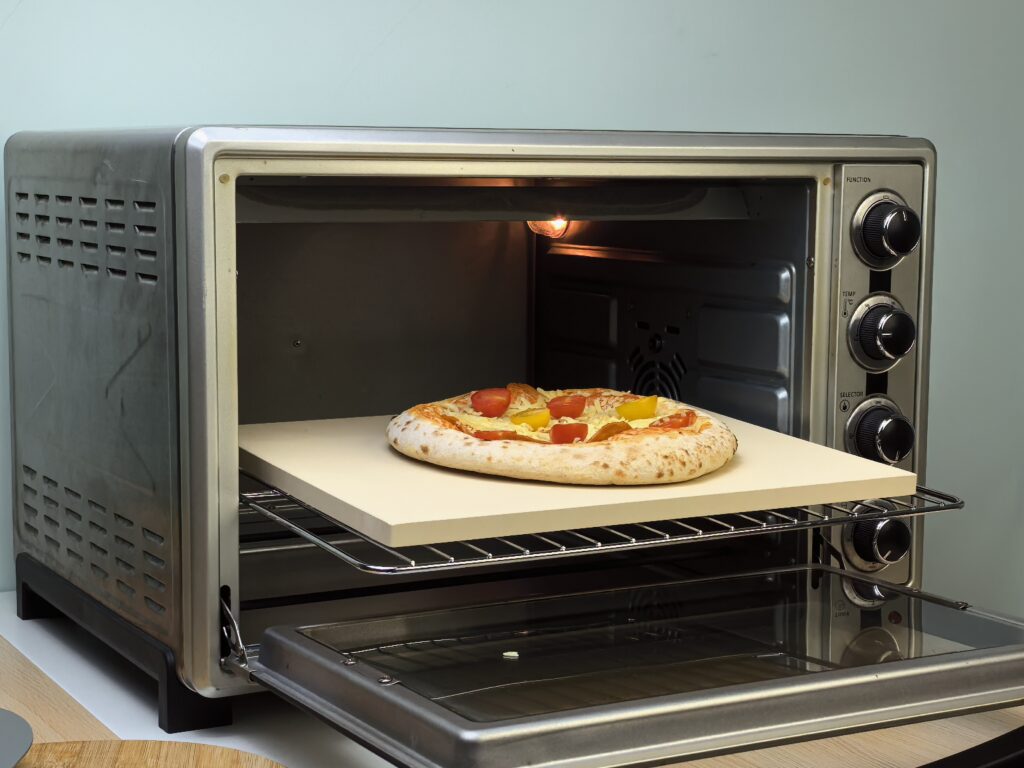
What Materials Make a Pizza Stone Safe (or Unsafe)?
Most pizza stones on the market fall into three main material categories: cordierite, ceramic and clay.
- High-purity cordierite pizza stone (recommended) Cordierite is the top choice for food-safe baking stones. It is fired at ultra-high temperature, chemically stable, and does not leach heavy metals when exposed to repeated high heat. It has excellent thermal shock resistance, which also means fewer cracking complaints for retailers.
- Regular ceramic pizza stone Ordinary ceramic may use low-cost clay and cheap glaze. Some uncertified ceramic stones contain lead or cadmium. Thin, low-temperature fired ceramic is also easy to crack, and cracks can trap bacteria.
- Untreated clay / quarry stone (not recommended) Random rock or unprocessed clay blocks are never designed for food contact. Natural rock may have unknown mineral impurities that leach while baking.
✅ Key takeaway: A safe pizza stone is not just “stone-looking”. It must use food-grade raw material and complete high-temperature sintering.
Important Food Safety Certifications for Pizza Stones
When you shop as a home baker, or source products as a brand buyer, always ask for these test reports:
- FDA Food Contact Material Standard (US market) Mandatory for USA online marketplaces. It confirms no harmful heavy metal migration under baking temperature.
- LFGB Certification (EU market) Strict German food contact test, widely recognized across Europe. Many European retailers require LFGB before listing kitchenware.
- Heavy metal leaching test (Lead & Cadmium) Even if a supplier says “food safe”, ask for the lab report focused on lead and cadmium release. Glazed pizza stones have higher risk here.
⚠️ Red flag: Suppliers who cannot provide batch test reports, or only offer generic certificates not linked to the pizza stone product.
Common Signs of an Unsafe Pizza Stone
Watch out for these warning signs:
- Strong strange smell when preheating for the first time
- Bright, colourful glossy glaze with no food safety test
- Very low price, thin body, and the seller cannot show FDA / LFGB documents
- Stone surface releases powder or dust when rubbed
- Cracks easily after a few uses
Once the glaze layer breaks, the underlying untested base material will directly touch food. This is the biggest hidden danger.
Sourcing Tips For Buyers: How to Find a Trusted Food-Safe Pizza Stone Manufacturer
If you are a kitchen brand owner, Amazon seller or wholesale retailer, product safety is your first priority. A batch of non-compliant pizza stones can destroy your store. Here is what you should verify with your pizza stone factory:
- Confirm they use food-grade high-purity cordierite raw material, not recycled low-grade clay.
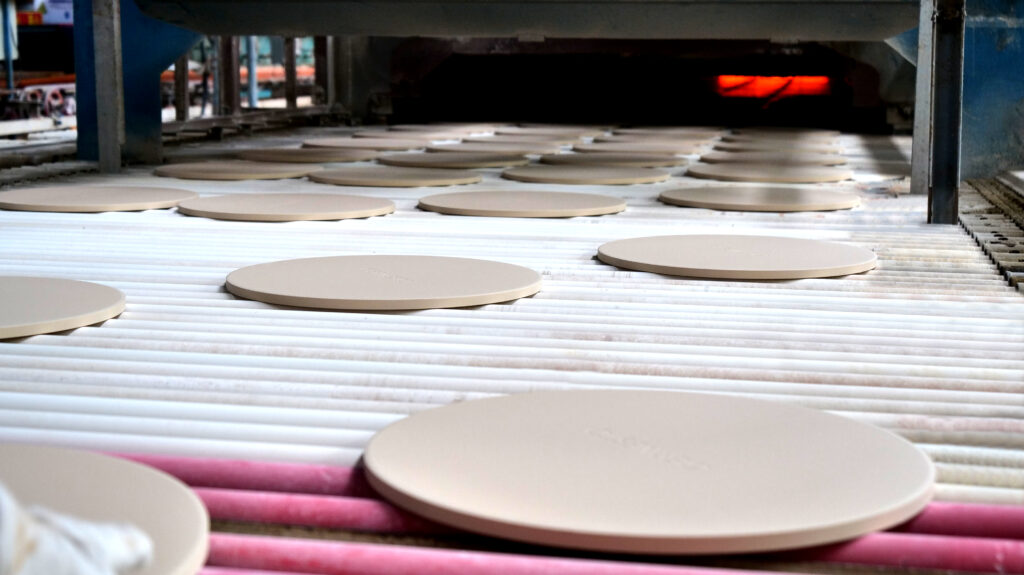
- Confirm the firing temperature. We fire our cordierite pizza stones above 1250℃ to stabilize the material structure.
- Ask whether certificates are batch-by-batch tested, not just one-time sample certificates.
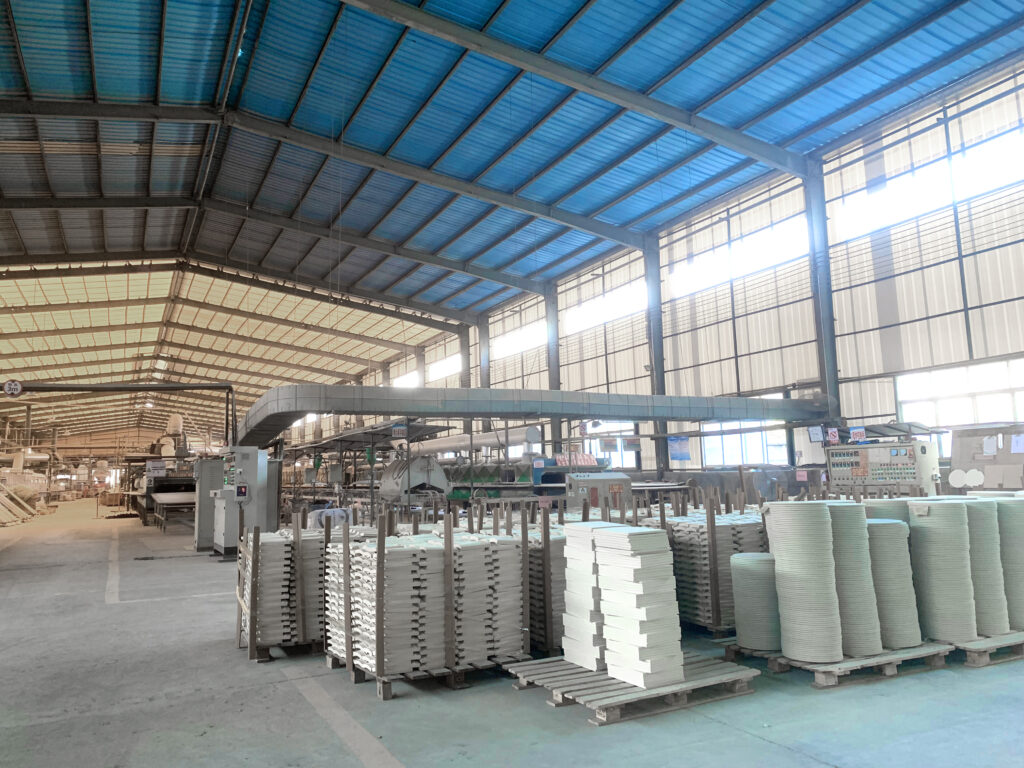
- Check quality control: visual inspection, thermal shock test before packing, to reduce breakage rate in transit and after customer use.
- Confirm custom options: if you need laser engraved logo or custom printed box, the printing ink also needs to be food-safe.
As a professional cordierite pizza stone manufacturer, every batch of our baking stones comes with FDA and LFGB test reports available for your marketplace submission. We do not use cheap impure raw materials or unsafe glaze. Our QC team runs thermal cycling tests to make sure the stone stays stable during repeated high-heat baking.
Frequently Asked Questions (FAQ)
Do cordierite pizza stones contain lead?
Qualified cordierite pizza stones that pass FDA and LFGB tests have no detectable lead or cadmium leaching. Only cheap untested ceramic stones carry this risk.
Is a glazed pizza stone less safe than unglazed?
Not always. The glaze itself must pass heavy metal migration testing. Unglazed cordierite is naturally porous and usually easier to get food-safe approval.
Can toxic substances release when the pizza stone cracks?
If the stone is made of non-food-grade material, cracks will expose the inner body to grease, moisture and heat, raising contamination risks. That is why stable, crack-resistant high-grade cordierite is preferred.
Do I need to season a new pizza stone for safety?
Seasoning mainly helps to build a natural non-stick patina and reduce sticking. It cannot remove heavy metals if the raw material itself is unsafe. Certification is the real safety guarantee.
CTA Section
If you are an online seller, kitchen retailer or brand owner looking for a certified pizza stone supplier, we produce food-safe cordierite pizza stones with OEM and private label service. Custom sizes, laser engraved logo and customized color boxes are supported. We can provide FDA & LFGB test documents for every order.
Send us your requirements to get the latest wholesale price list and product specs.