
Many home bakers and grill owners meet the same frustrating problem. They buy a pizza stone, but still get a soft, soggy pizza bottom. Most people blame their oven or dough. Yet the root cause often links to two factors: wrong usage, and poor stone quality.
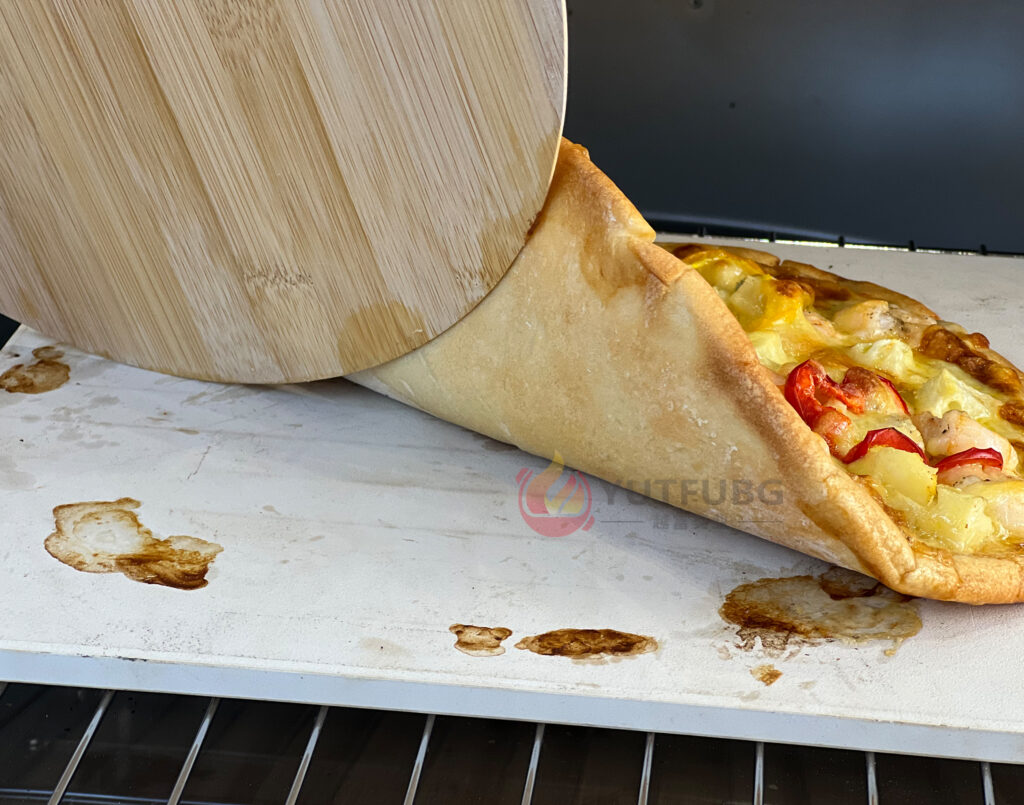
How a Pizza Stone Wicks Moisture (The Absorption Principle)
Good cordierite pizza stones have controlled micro-pores. These tiny pores pull excess water away from the pizza dough by capillary action. This moisture-wicking effect is what creates a crispy, blistered crust. It only works when the stone hits the right temperature and has stable porosity.
Low-grade stones fail this core job. Their pore structure is messy and uneven. They cannot draw moisture away quickly during baking. Water from sauce and cheese stays trapped under the pizza. You end up with a wet, pale crust and bad product reviews.
Density Is The Hidden Key To Crispy Pizza
Cordierite blank density decides its real moisture-handling performance. This is the core standard we test at our factory. Cheap low-density cordierite stones have loose, unstable bodies. They absorb surface moisture slowly and inconsistently. Some even soak up too much water and crack after repeated high-heat baking. These budget stones are the top reason for customer complaints about soggy pizza.
High-density premium cordierite keeps balanced, stable pores. It stores heat well and removes dough moisture fast. It resists thermal shock and holds steady performance bake after bake. For retail brands and wholesale buyers, density is not just a spec on paper. It directly shapes your customer feedback and return rate.
Our Factory Raw Material Density & QC Standards
We are a professional pizza stone manufacturer with 27 years of production experience. We control cordierite blank density at a stable target range for all our pizza stones. Every batch goes through strict lab checks before mass production. Our QC team tests water absorption rate, thermal stability and density for random samples. We reject any blank that falls outside our qualified density window.
All our cordierite pizza stones pass FDA, LFGB and RoHS safety tests. No harmful substances release under high baking heat. We support OEM & private label orders with flexible sizes, laser or printed logos. Our standard MOQ runs from 500 to 1000 sets for custom orders. If you are a retailer or grill brand, consistent stone quality reduces after-sale headaches.
Common Usage Mistakes That Also Cause Soggy Crust
Even with a high-density cordierite stone, wrong steps ruin your pizza base. These are the most frequent user errors we see:
- Too short preheating time Your oven may hit set temperature fast, but the stone stays cold inside. Preheat the stone inside the oven or kamado grill for 45–60 minutes at max heat. A hot stone instantly vaporises surface moisture once pizza lands on it.
- Overloaded wet toppings Too much tomato sauce, fresh mozzarella or canned mushrooms release lots of water. Drain wet toppings and use sauce lightly to cut extra moisture.
- Putting cold dough straight onto the stone Cold dough carries more surface moisture and takes longer to set. Let your dough rest at room temperature before launching.
- Stone stored in damp places Never leave your pizza stone in a humid cabinet. Dry it fully after each use and store it in a dry, ventilated spot.
Quick Troubleshooting Checklist
✅ Check if your stone is fully preheated for 45+ minutes
✅ Confirm your stone is made of stable high-density cordierite
✅ Cut down wet toppings and drain fresh cheese
✅ Keep the stone dry between baking sessions
✅ Replace low-density cheap stones that always give soggy results
Final Takeaway
A soggy pizza crust is not always your baking fault. A low-density pizza stone cannot deliver the moisture-wicking performance buyers expect. For brands sourcing pizza stones, stable cordierite density and strict QC are non-negotiable. Our factory builds pizza stones with balanced porosity, reliable heat resistance and full certification. We help retail and commercial clients supply pizza stones that consistently bake crispy pizza bottoms.
FAQ
Q: Can I fix a low-density pizza stone that always makes soggy crust? A: No. The loose blank structure cannot be changed with better preheating. Upgrade to high-density cordierite.
Q: Does a thicker pizza stone mean higher density? A: Not always. Thickness impacts heat storage, while density controls moisture absorption. Both specs need inspection.
Q: Can you send density test reports for bulk pizza stone orders? A: Yes. We provide test documents and certification for OEM / private label wholesale orders.